

Best Coffee Subscription for Ethical Sourcing
Last Updated: October 23, 2026
Quick Summary
The best coffee subscription for ethical sourcing prioritizes direct relationships with farmers, fair compensation, and transparency throughout the supply chain. Look for subscriptions that name their farms or cooperatives, publish detailed sourcing information including altitude and processing methods, and explain how farmer premiums work.
- Roastica sources from named cooperatives like Cooperativa Agricola de Servicios Norandino in Peru, supporting 200+ farming families.
- Start with sample packs like Roastica's Single Origin Favorites at $24.99 to explore six origins in 2oz portions before committing.
- Ethical sourcing costs more than commodity coffee due to fair trade premiums, direct trade relationships, and organic certification.
- Direct trade eliminates middlemen and allows roasters to share farmer names, exact elevation, and specific farming decisions.
- Roastica publishes complete sourcing details including region, altitude range, varietals, and processing method for every coffee.
Table of Contents
- What Makes a Coffee Subscription Ethically Sourced
- Comparison Table: Roastica Single-Origin Options
- Fair Trade Coffee Subscription Benefits
- Direct Trade Coffee: Building Relationships with Growers
- Coffee Sourcing Transparency: Know Your Bean's Origin
- Organic Coffee Subscriptions and Sustainable Farming
- How to Choose Your First Ethically Sourced Coffee
- Frequently Asked Questions
What Makes a Coffee Subscription Ethically Sourced
An ethically sourced coffee subscription prioritizes the welfare of farmers, environmental sustainability, and transparency throughout the supply chain. At Roastica, we believe that knowing where your coffee comes from matters as much as how it tastes. When you choose a best coffee subscription for ethical sourcing, you're supporting farming communities, protecting ecosystems, and ensuring that every cup reflects real care and responsibility.
Ethical sourcing goes beyond a marketing label. It means direct relationships with growers, fair compensation that allows farmers to invest in their land and families, and farming practices that preserve soil health and biodiversity.
Most subscriptions claim ethical sourcing without backing it up. Most subscriptions publish detailed information about each origin: the farm name, altitude, processing method, and the specific cooperative or individual grower you're supporting. This transparency allows you to trace your coffee from seed to cup.
Comparison Table: Roastica Single-Origin Options
| Origin | Tasting Profile | Process | Best For |
|---|---|---|---|
| Uganda | Floral, chocolate, dark fruits | Fully washed and sun dried | Balanced, smooth morning cup |
| Peru | Salted caramel, silky sweet, citrus | Gully washed and sun dried | Sweet, dessert-like notes |
| Mexico | Chocolate, cinnamon, green apple | Fully washed and sun dried | Approachable, warm flavors |
| Ethiopia Natural | Milk chocolate, fruity, caramel | Full natural process | Complex, fruit-forward drinkers |
| Colombia | Dried orange, berry, chocolate | Washed in solar dryers | Bright acidity, berry undertones |
| Brazil Santos | Elegant, smooth cocoa notes | Pulped natural, sun dried | Smooth, everyday sipper |
Each Roastica single-origin coffee is roasted to order for maximum freshness and flavor. Our sourcing prioritizes direct relationships with farming cooperatives and smallholder farmers across these regions. The altitude, soil type, and processing method create distinct flavor profiles, choosing by origin lets you discover preferences and support specific communities with every subscription renewal.
Fair Trade Coffee Subscription Benefits
A coffee subscription for ethical sourcing may include fair trade options alongside direct trade and organic certifications. Roastica sources from cooperatives like Cooperativa Agricola de Servicios Norandino in Peru, where fair trade premiums support 200+ farming families. When you choose our Peru single-origin at $24.99, you're directly supporting this cooperative's commitment to farmer welfare and environmental stewardship.


Direct Trade Coffee: Building Relationships with Growers
Direct trade eliminates middlemen between farmer and roaster, creating direct relationships and higher prices for growers. A roaster buying direct trade coffee negotiates directly with the farm. This premium rewards quality and allows farmers to implement sustainable practices.
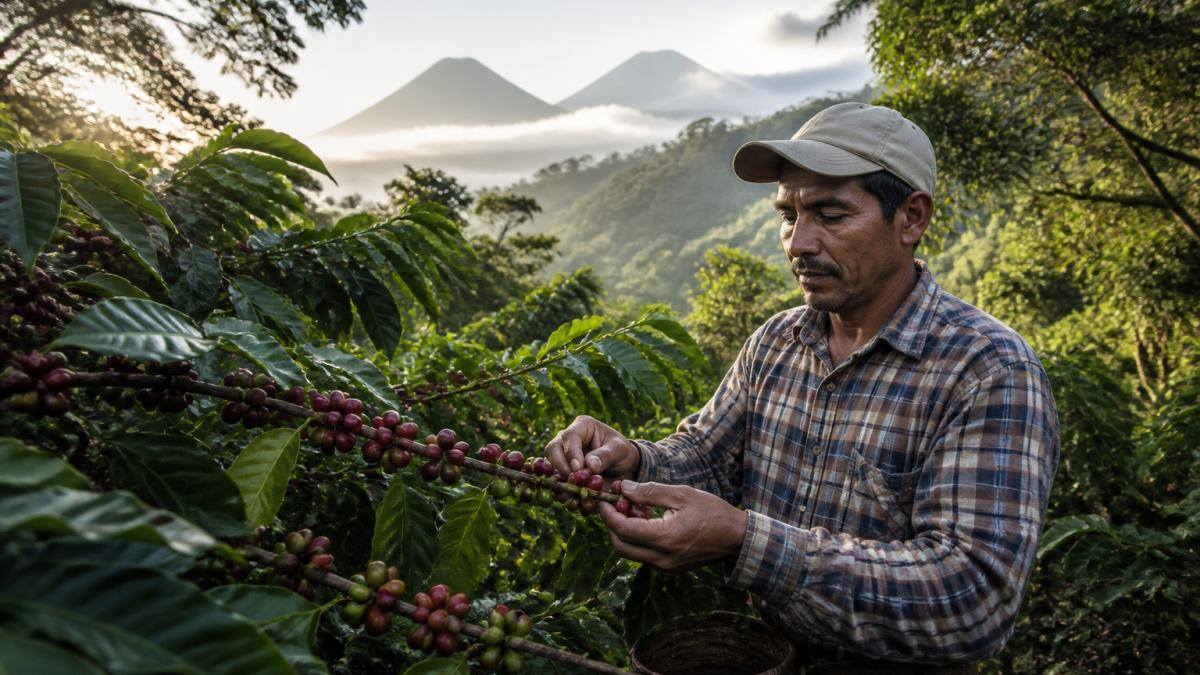
The transparency in direct trade is significant. Roasters can tell you the farmer's name, the exact elevation where your beans grew, and the story behind their farming decisions.
Roastica's single-origin selections reflect direct relationships with farming partners. Our Ethiopia Natural coffee comes from smallholder farmers in the Sidama zone who use traditional processing methods on raised beds. Our Colombia selection sources from smallholder farmers in Medellin using solar dryers to protect beans from rain damage. These details matter because they represent real choices made by real people, and your subscription directly supports their livelihoods.
Coffee Sourcing Transparency: Know Your Bean's Origin
Sourcing transparency means publishing the farm name, region, altitude, varietals, and processing method for every coffee you receive. A transparent subscription lets you trace each bag back to its source and understand what makes it unique.
A coffee subscription for ethical sourcing publishes this information on the bag itself or on their website. You should know: Which farm or cooperative grew your beans? At what altitude? Using which processing method? What varietals are in the blend?
Look for subscriptions that explain their sourcing practices publicly. Do they publish photos from origins? Do they share harvest reports or seasonal challenges?
Roastica publishes complete sourcing details for every coffee. Our Uganda single-origin specifies the Sipi region and Kapchorwa District, altitude range of 1,500-2,500 meters, and the Bourbon, SL14, SL28, and Blue Mountain varietals. This level of detail lets you understand exactly what you're supporting and taste the specific terroir of that region.

Organic Coffee Subscriptions and Sustainable Farming
A coffee subscription for ethical sourcing may include organic options or explain why they don't. Some small farms practice organic methods without formal certification because the certification cost is prohibitive. Transparent roasters acknowledge this and publish farming practices regardless of certification status.
How to Choose Your First Ethically Sourced Coffee
Start by identifying your priorities. Do you prioritize fair trade certification? Direct trade relationships? Organic farming? Environmental conservation? Different certifications emphasize different values, knowing yours narrows your search.
Second, consider flavor preferences. A coffee subscription for ethical sourcing should offer multiple origins so you can explore. Some people prefer bright, fruity coffees (Ethiopia, Peru). Others want smooth, chocolatey cups (Brazil, Colombia). Sample packs let you discover preferences before committing to full bags.
Third, check transparency. Visit the subscription's website and look for detailed sourcing information. Can you name the farm or cooperative? Do they publish altitude, processing method, and varietals?
Fourth, evaluate price honestly. Ethical sourcing costs more than commodity coffee. Fair trade premiums, direct trade relationships, and organic certification all increase costs.
Finally, start small. Try a sample pack before committing to a full subscription. Roastica's Best Sellers Sample Pack at $24.99 includes six 2oz portions: 6Bean Blend, Cowboy Blend, Breakfast Blend, Peru, Mexico, and Bali. This approach lets you experience our roasting philosophy and discover which origins resonate with your palate.
Finding a best coffee subscription for ethical sourcing means supporting real farmers and protecting the ecosystems where coffee grows. At Roastica, we're committed to this mission through direct relationships with farming cooperatives, transparent sourcing practices, and roasting to order for maximum freshness. Every bag you receive carries the story of the people and land behind it. Explore our single-origin selections or start with a sample pack to discover origins that align with your values and taste preferences.
Frequently Asked Questions
What makes a coffee subscription ethically sourced?
An ethically sourced coffee subscription prioritizes direct relationships with growers, fair compensation, and transparent supply chains. Look for subscriptions that specify the farm, region, and altitude where beans are grown. Roastica sources from named cooperatives and smallholder farmers, like the Cooperativa Agricola de Servicios Norandino in Peru or smallholder farmers in Ethiopia's Sidama zone, ensuring you know exactly where your coffee comes from and that growers receive fair payment for their work.
What's the difference between fair trade coffee subscription and direct trade coffee?
Fair trade coffee involves third-party certification ensuring minimum prices and labor standards. Direct trade coffee subscription eliminates the middleman, allowing roasters to work directly with farmers and pay premium prices. Direct trade typically offers more traceability, though it's less standardized than fair trade certification. Both models prioritize ethical sourcing.
How can I tell if a coffee brand sources coffee ethically?
Check if the brand provides specific information about grower names, farm locations, altitude, and processing methods. Roastica lists details like grower names (Fazenda Santa Barbara in Brazil), regions (Medellin, Antioquia in Colombia), and processes (fully washed, sun-dried). Avoid vague claims like 'responsibly sourced' without specifics.
Are organic coffee subscriptions also ethically sourced?
Not necessarily. Organic certification focuses on farming practices. When evaluating organic options, verify both the organic certification and the sourcing practices. Ask whether the subscription works directly with farmers, pays fair prices, and provides transparency about origins.
