

How to Tell If Coffee Beans Are Fresh: 7 Simple Tests
Table of Contents
- Why Freshness Decides How Your Coffee Tastes
- Start With the Coffee Bean Roast Date
- The Aroma Test: What Fresh Beans Should Smell Like
- Signs of Stale Coffee Beans You Can Spot Before Brewing
- The Bloom Test: Reading Foamy Bubbles Without Overclaiming
- A Step-by-Step Home Freshness Test
- How Long Coffee Beans Stay Fresh
- How to Store Coffee Beans to Protect Freshness
- Frequently Asked Questions
Last Updated: October 21, 2026
Why Freshness Decides How Your Coffee Tastes
Freshness is the single biggest factor separating a flat, dull cup from a bright, aromatic one. Knowing how to tell if coffee beans are fresh starts with one idea: roasted coffee is a living product that fades from the moment it leaves the roaster.
Here is the core problem. Coffee beans release carbon dioxide for days after roasting, and that gas protects flavor. Once it escapes, oxygen moves in.
So the question is not "are these beans old?" It is "how much life is left in them?" Below, we walk through seven simple tests you can run at home, from reading the bag to watching the bloom.
Start With the Coffee Bean Roast Date
The roast date is the most reliable freshness signal you have. It tells you exactly when the clock started ticking. A bag printed with a roast date is a bag that wants you to know how fresh it is.
Most supermarket bags skip the roast date entirely. Instead they print a best-before date, often a year or more out. That date says nothing about when the beans were roasted.
Reading the Bag: Roast Date vs Best-Before
A roast date is the day the beans left the roaster. A best-before date is a manufacturer's guess at when the product stops being acceptable. The first is a fact. The second is a marketing cushion.
When you shop, follow this order:
- Look for a printed roast date first
- Treat a best-before-only bag as a warning sign
- Prefer bags dated within the last few weeks
A common mistake is grabbing the bag at the front of the shelf. Stock rotates from the back, so the freshest bags often sit behind the older ones.
The Aroma Test: What Fresh Beans Should Smell Like
Fresh beans smell sweet, complex, and alive. Open the bag and you should get a clear hit of fragrance, the dry aroma before brewing.
Stale coffee smells flat and faint. Some people describe a papery or cardboard note. Others notice a dusty, hollow quality, like the smell has been drained out.
Try this quick check:
- Open the bag and breathe in deeply
- Note whether the smell is strong or weak
- Look for sweet, fruity, or chocolatey notes
- Watch for papery, dusty, or dull tones
If you have to hunt for the aroma, the beans are likely past their prime. Freshly roasted beans announce themselves.

Signs of Stale Coffee Beans You Can Spot Before Brewing
You can often spot stale beans without brewing a drop. The clues show up in how they look and how they smell. Learning these signs of stale coffee beans saves you from wasting a good brew method on tired beans.
Watch for these red flags:
- A faint or missing aroma when you open the bag
- A papery, dusty, or flat smell
- Beans that look dull rather than rich
That last point matters. Freshly roasted beans release carbon dioxide, which can puff up a sealed bag. A bag that stays perfectly flat may hold older beans.
Surface Oil, Colour and Texture
Surface oil is where things get tricky. A glossy, oily sheen on dark roast beans is normal.
The real signal is change over time. Beans that start matte and turn greasy as weeks pass are releasing oils through oxidation.
Colour tells a smaller story. Fresh beans usually look rich and even. Faded, washed-out beans have often lost aroma along with color.
The Bloom Test: Reading Foamy Bubbles Without Overclaiming
The bloom is the foamy rise you see when hot water hits fresh grounds. It happens because trapped carbon dioxide escapes.
Single Origin Favorites Sample Pack →
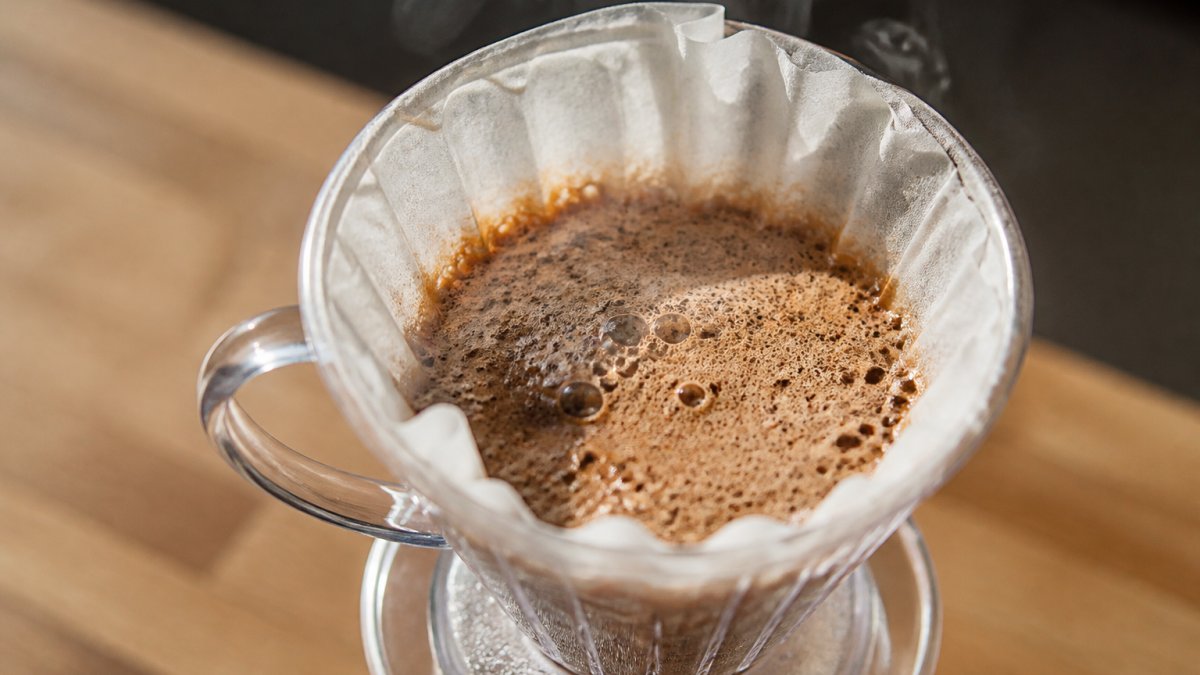
But here is the part most guides get wrong. Bloom is a helpful freshness indicator, not proof.
Use the bloom as one clue among several. A big, lively bloom on beans with a recent roast date is a good sign.
A Step-by-Step Home Freshness Test
Want a repeatable way to judge a bag? Run this controlled test. It takes about ten minutes and uses tools you already own.
What you'll need: a small bowl, hot water just off the boil, a spoon, and a few beans.
- Smell the whole beans. Note the strength and character of the aroma.
- Grind a small scoop. Use the same grind you normally brew with.
- Smell the grounds. Fresh grounds release a stronger burst than whole beans.
- Put the grounds in the bowl and pour hot water over them. Watch for the bloom.
- Wait 30 seconds. Note how much foam rises and how it smells.
- Slurp a small sip once it cools. Look for sweetness, acidity, and finish.
- Write down your notes. Compare future bags against this baseline.
How Long Coffee Beans Stay Fresh
There is no single number, but a qualified timeline helps you decide when to use or replace a bag. The variables that matter most are roast level, whether the beans are whole or ground, and how they are stored. Below is a practical framework based on common roaster guidance and specialty coffee practice, not a hard rule.
A Practical Freshness Timeline by Roast Level, Grind, and Storage
The window below assumes whole beans stored in an airtight container in a cool, dark cupboard. Adjust downward for ground coffee or poor storage.
| Variable | Peak Window | Still Good | Past Its Prime |
|---|---|---|---|
| Light roast, whole bean, airtight | Days 7-21 after roast | Up to about 4-6 weeks | Beyond 6 weeks |
| Medium roast, whole bean, airtight | Days 5-18 after roast | Up to about 4 weeks | Beyond 4-6 weeks |
| Dark roast, whole bean, airtight | Days 3-14 after roast | Up to about 3-4 weeks | Beyond 4 weeks |
| Ground coffee, any roast | Hours to a few days after grinding | Up to about 1-2 weeks | Beyond 2 weeks |
| Any roast, stored in original bag with valve | Similar to airtight, if bag is resealed well | Slightly shorter than airtight | Sooner than airtight |
| Any roast, stored in fridge or damp environment | Not recommended | , | , |
These ranges are not precise because bean density, processing method, and packaging all shift the curve. A washed light roast may hold its peak longer than a natural dark roast, and a bag opened daily will fade faster than one opened once a week.
Resting After Roast: Why the Clock Starts Before Peak
Freshly roasted beans release carbon dioxide rapidly for the first few days. Brewing during this degassing window can produce uneven extraction and a foamy, sharp cup. Many roasters recommend a short rest, often 3-7 days for filter coffee and slightly longer for espresso, before the beans reach their best. This is why a bag roasted yesterday may taste less developed than one roasted ten days ago, even though it is technically fresher.
Ground Coffee Fades Faster Than Whole Beans
Grinding exposes far more surface area to oxygen. A bag of pre-ground coffee can lose noticeable aroma within days of opening, and a freshly ground dose fades within hours. If you buy pre-ground, choose smaller bags you will finish quickly and reseal them tightly after each use. If you grind at home, grind just before brewing to protect the compounds that make coffee smell and taste alive.
How to Store Coffee Beans to Protect Freshness
Good storage slows the fade. The enemies are oxygen, moisture, heat, and light. Keep all four away from your beans and you add days, sometimes weeks, to their peak. But storage is also where most freshness problems start, so this section covers both prevention and troubleshooting.
The Four Enemies and What They Do
- Oxygen reacts with coffee oils and aromatic compounds, turning them rancid and flat. Every time you open a bag, fresh oxygen enters.
- Moisture accelerates staling and can encourage mold if beans are stored damp. Steam from a kettle or a humid kitchen is enough to cause problems over time.
- Heat speeds up the chemical reactions that degrade flavor. A cupboard next to the oven or a sunny windowsill is a poor home for beans.
Storage Habits That Actually Work
- Keep beans in an airtight, opaque container with a tight seal.
- Store in a cool, dark cupboard away from the stove, sink, and windows.
- Buy in amounts you will finish within a few weeks rather than stocking up.
- If you use the original bag, reseal it tightly and keep the one-way valve intact; the valve lets carbon dioxide escape without letting oxygen in.
Troubleshooting Common Storage Mistakes
If your coffee tastes flat sooner than expected, check these common issues:
- Beans stored in the fridge: moisture and food odors migrate into the beans. Move them to a cool, dark cupboard.
- Bag left open or loosely folded: oxygen enters continuously. Use a clip or transfer to an airtight container.
- Clear container on the counter: light exposure speeds fading. Switch to an opaque container or store in a cupboard.
- Beans kept next to the kettle or stove: heat and steam shorten peak freshness. Relocate to a cooler spot.
This is where buying from a roaster that ships fresh makes a real difference. Our Single Origin Favorites Sample Pack lets you try several origins and see how freshness shows up in the cup, and our Ethiopia Natural brings out the fruity, chocolatey notes that fade fastest in stale beans.

For a deeper look at brewing and storage science, the Specialty Coffee Association's guidance and USDA food storage resources are solid references. Freshness is not the same as food safety, though. Old coffee is rarely unsafe to drink, it just tastes flat.
Frequently Asked Questions
Should fresh coffee beans have a strong smell?
Yes. Freshly roasted coffee beans release a clear, layered aroma the moment you open the bag, often described as sweet, fruity, chocolatey or nutty depending on origin. If you have to bury your nose in the bag to detect anything, or the smell is faint, papery or hollow, the beans have likely lost most of their volatile compounds. A strong smell alone is not proof of freshness, though, so pair the aroma check with the roast date and a bloom test before deciding.
Do fresh coffee beans leave oil on the surface?
Some do, and it is not automatically a freshness signal. Dark roast beans often look glossy because roasting draws oils to the surface, while light roast beans usually stay matte. Oily residue becomes a problem when it turns greasy or sticky and the beans clump together, which points to age and oxidation. Judge oil alongside the roast level, the roast date and the smell rather than treating shine as proof of freshness or staleness on its own.
How long will coffee beans remain fresh?
Whole beans stay at their best for roughly two to four weeks after the roast date, with the peak usually in the first week or two. After that they are still safe to drink but flatten out. Ground coffee fades much faster, often within days, because more surface area meets the air. Storage conditions matter as much as time: an airtight container kept cool, dark and dry can stretch good flavour noticeably compared with a bag left open on the counter.
Are 4-year-old coffee beans still good?
They are unlikely to be spoiled in a food-safety sense if they stayed dry, but they will taste flat, papery and dull. Four years is far beyond any reasonable freshness window for roasted coffee, so expect muted aroma, little bloom and a hollow cup. Check for moisture, mould or a musty smell before brewing, and if any of those are present, throw the beans out. Otherwise they are drinkable but not enjoyable.
Stale beans steal the best part of your morning cup, and no brew method can bring that flavor back. Roastica roasts each batch to order from responsibly-sourced farms, so your beans arrive fresh and full of aroma. Our simple ordering, reliable delivery, and sample packs make it easy to find the origin you love. Get started with Roastica and taste what truly fresh coffee can do for your daily ritual.